Understanding Foot Tightness: Causes, Symptoms, and Treatment
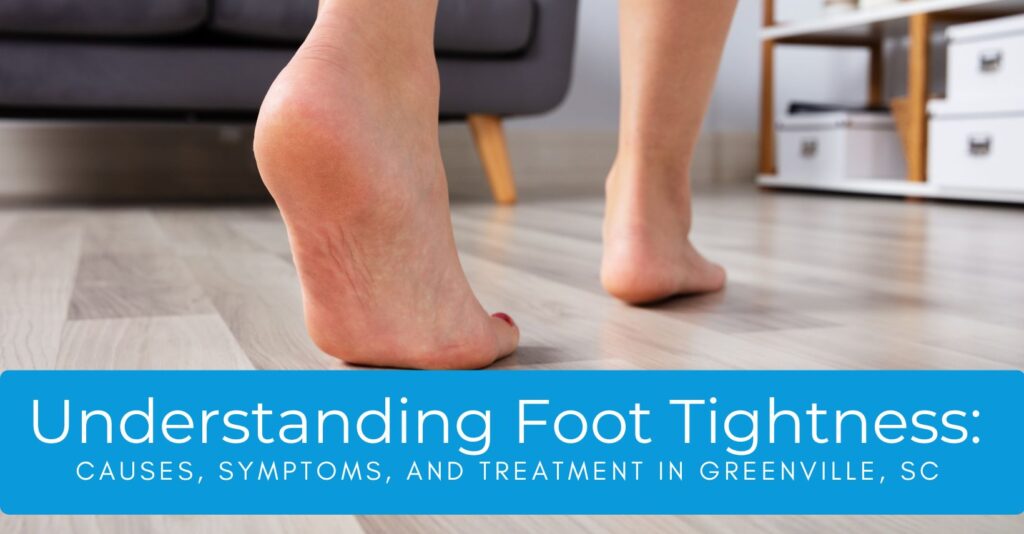
Foot tightness isn’t often talked about — but for many people, it’s a daily struggle. It can feel like your feet are stiff, tense, or not moving the way they should. Some patients describe it as wearing shoes that are too tight, even when barefoot. Others notice the stiffness most in the morning, after exercise, or when walking for long periods.
While there can be many causes of foot tightness, one often overlooked reason is peripheral neuropathy — a condition that affects the nerves in your feet and legs.
At Piedmont Physical Medicine & Rehabilitation (PPMR) in Greenville, SC, we specialize in uncovering the root cause of symptoms like foot tightness and creating personalized treatment plans to help you move, live, and feel better.
What Is Peripheral Neuropathy?
Peripheral neuropathy occurs when the nerves outside the brain and spinal cord (the “peripheral nerves”) are damaged or not functioning properly. These nerves carry signals to and from your brain, controlling movement, sensation, and muscle function.
When peripheral nerves are impaired, the muscles, tendons, ligaments, and joints they control don’t get the support they need. Over time, this lack of nerve supply can lead to:
Tightness or stiffness in the feet
Burning or tingling sensations
Numbness or reduced sensation
Muscle weakness
Pain that worsens at night
Even mild cases of neuropathy can interfere with daily activities and contribute to the feeling of “tight” or stiff feet.
Other Possible Causes of Foot Tightness
Although peripheral neuropathy is a common contributor, other factors may also cause foot tightness, including:
Plantar fasciitis (inflammation of the ligament along the bottom of the foot)
Arthritis in the joints of the feet or ankles
Poor circulation or vascular disease
Muscle overuse or injury
Nerve compression higher up in the leg or spine
That’s why it’s important to have a thorough evaluation to identify the true cause of your symptoms.
How PPMR Diagnoses Foot Tightness and Neuropathy
At PPMR, we take the time to listen to your symptoms and perform a complete evaluation. Diagnosing foot tightness may involve:
Physical exam to assess strength, reflexes, and sensation
Electrodiagnostic testing (EMG/NCS) to measure nerve function
Diagnostic ultrasound to evaluate tendons and ligaments without radiation
Blood tests or imaging to rule out metabolic or structural causes
By understanding the underlying reason for your foot tightness, we can design a treatment plan that addresses the root cause, not just the symptoms.
Treatment Options for Peripheral Neuropathy and Foot Tightness
The good news is that there are many non-surgical treatments available for foot tightness related to peripheral neuropathy. Depending on the cause, your plan may include:
Laser treatment stimulates nerve cells and promotes regeneration, helping alleviate neuropathy symptoms
Lifestyle changes such as improved nutrition, weight management, and exercise
Physical therapy and stretching to restore mobility and reduce stiffness
Targeted nerve treatments like nerve blocks or regenerative medicine therapies to improve function
Medications to reduce inflammation and support nerve health
Pain management techniques designed to relieve symptoms while your body heals
Our goal at PPMR is to help you regain comfort, mobility, and confidence in your daily activities.
When to Seek Help for Foot Tightness
If your foot tightness is:
Persistent or getting worse,
Interfering with your ability to walk or exercise, or
Accompanied by burning, tingling, or numbness,
…it may be a sign of peripheral neuropathy or another condition that needs medical attention.
Find Relief from Foot Tightness in Greenville, SC
Foot tightness may seem like a small problem, but it can be a warning sign of nerve dysfunction that deserves attention. Don’t ignore the symptoms — early diagnosis and treatment can make a big difference.
At Piedmont Physical Medicine & Rehabilitation (PPMR), Dr. Matthew Terzella and our team are dedicated to helping patients uncover the cause of foot tightness and find effective, non-surgical solutions.
Call us today at (864) 235-1834 to learn more about your options and take the first step toward relief.
